What is Lean Project Management?
Lean Project Management Strips Away the Nonsense
Last month, I walked into a client’s office and found their project manager drowning in status reports. She spent 18 hours a week updating spreadsheets that nobody read. Her team was three months behind on a six-month project.
The problem wasn’t the team’s skills. It was all the administrative theater masquerading as project management.
Lean project management fixes this. It’s project management that focuses on value delivery instead of process compliance. You cut the fat, keep what works, and ship results faster.
The Core Principles That Actually Matter
Traditional project management loves its ceremonies. Weekly status meetings where nothing gets decided. Risk registers that list “team member might get sick” as a project threat. Change control boards that take three weeks to approve a button color change.
Lean project management operates differently:
Eliminate waste first. If an activity doesn’t directly contribute to project outcomes, question it. That daily standup where everyone reads yesterday’s email? Gone. The 47-page project charter that took two months to write? Replace it with a one-page project canvas.
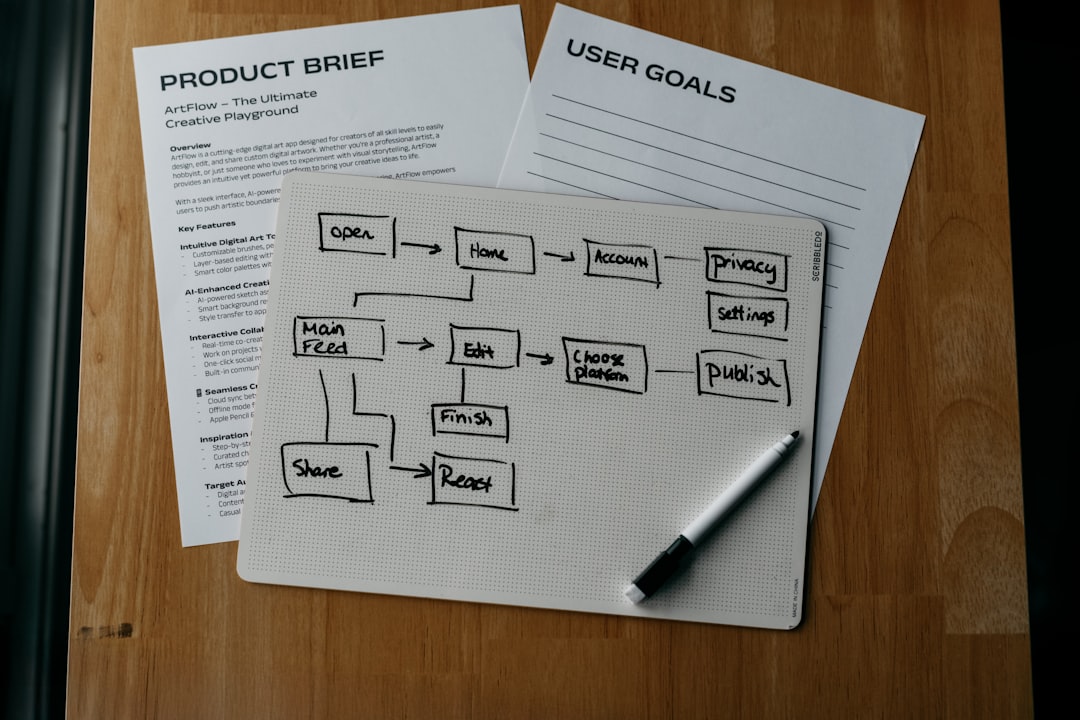
Flow over batching. Instead of completing all requirements before starting design, work flows continuously. Requirements feed design, design feeds development, development feeds testing. Work moves like water, not like inventory sitting in warehouses.
Pull, don’t push. Team members pull work when they’re ready, rather than having tasks pushed onto them by arbitrary deadlines. This prevents bottlenecks and reduces multitasking chaos.
What This Looks Like in Practice
We recently helped a manufacturing company implement a new inventory system. Their original approach involved six months of requirements gathering, followed by four months of development, followed by two months of testing.
Using lean principles, we broke this into two-week cycles. Each cycle delivered working functionality that stakeholders could touch and test. Instead of waiting 12 months to discover the reporting module didn’t meet their needs, we found out in week 4.
The project finished four months early. More importantly, the final system actually solved their problems because they course-corrected throughout the process.
Visual management replaced status reports. Instead of weekly PowerPoint updates, we used a simple Kanban board. Everyone could see what was in progress, what was blocked, and what was done. No translation required.
Continuous improvement became automatic. Every two weeks, the team spent 30 minutes asking: What’s slowing us down? What should we try differently? These weren’t formal retrospectives with facilitators and sticky notes. Just humans solving problems.
The Tools You Actually Need
Lean project management doesn’t require expensive software or certifications. You need three things:
A way to visualize work flow. This could be a physical board with sticky notes or a digital tool like Azure DevOps. The key is making work visible and limiting work in progress.
Short feedback loops. Show working results every 1-2 weeks, not every quarter. Get real user feedback on real functionality, not mockups and prototypes.
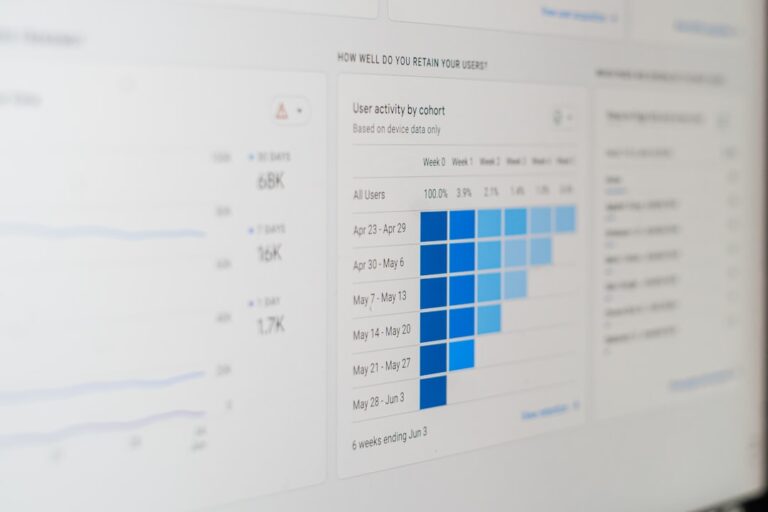
Metrics that matter. Track cycle time (how long work takes from start to finish) and throughput (how much work gets completed). Forget about resource utilization percentages and earned value calculations.
We’ve seen teams reduce project delivery times by 40% just by implementing these three elements. No massive process overhauls required.
Common Mistakes to Avoid
The biggest mistake is trying to bolt lean practices onto heavyweight processes. You can’t have lean project management if you still require 15-page project charters and monthly steering committee presentations.
Another mistake is confusing lean with fast. Lean isn’t about rushing. It’s about removing obstacles so valuable work can flow naturally. Sometimes this means slowing down to speed up.
Finally, don’t treat lean like a methodology to implement. It’s a mindset to adopt. The goal isn’t perfect adherence to lean principles. The goal is delivering value to customers faster and with less friction.
Getting Started Without Organizational Chaos
You don’t need executive buy-in to start practicing lean project management. Begin with your next project. Map out the value stream. Identify the biggest sources of delay and rework. Experiment with shorter delivery cycles.
Most organizations find that lean project management reduces project risk while increasing delivery speed. When stakeholders see working results every two weeks instead of status reports every month, they become believers.
The administrative overhead drops dramatically. Project managers spend their time removing obstacles instead of updating tracking spreadsheets. Teams focus on building solutions instead of attending progress meetings.
Ready to see what lean project management could do for your organization? We help companies implement practical lean approaches that actually stick. Book a call and let’s talk about turning your project management overhead into competitive advantage.
Get the next one in your inbox.
Practical insights — no fluff, straight to your inbox.
Or follow us on LinkedIn:
Follow StrategyPeeps